October 20, 2026
Renovating a home can be exciting, but turning a vision into a finished space involves much more than choosing materials and colors. A renovation may require design coordination, scheduling, permits, inspections, material ordering, structural decisions, and communication among several trades. When these pieces are handled without a central plan, small delays can quickly affect the entire project. For homeowners balancing work, family, and everyday responsibilities, the organization can also reduce the amount of time spent tracking separate appointments, deliveries, questions, and decisions. It creates a clearer path from the initial concept to the completed renovation with greater confidence.
A construction professional helps bring those moving parts together. Rather than treating each task as a separate job, this professional oversees the renovation as a connected process. That coordination can make it easier to maintain momentum, address problems early, and keep the finished work aligned with the homeowner’s goals.
Coordinating the Renovation
A successful renovation depends on many activities happening in the right sequence. Demolition may need to happen before framing, electrical work may need to precede wall finishing, and inspections may need to occur before certain areas can be closed. A general contractor helps establish that sequence and coordinates the people responsible for each stage.
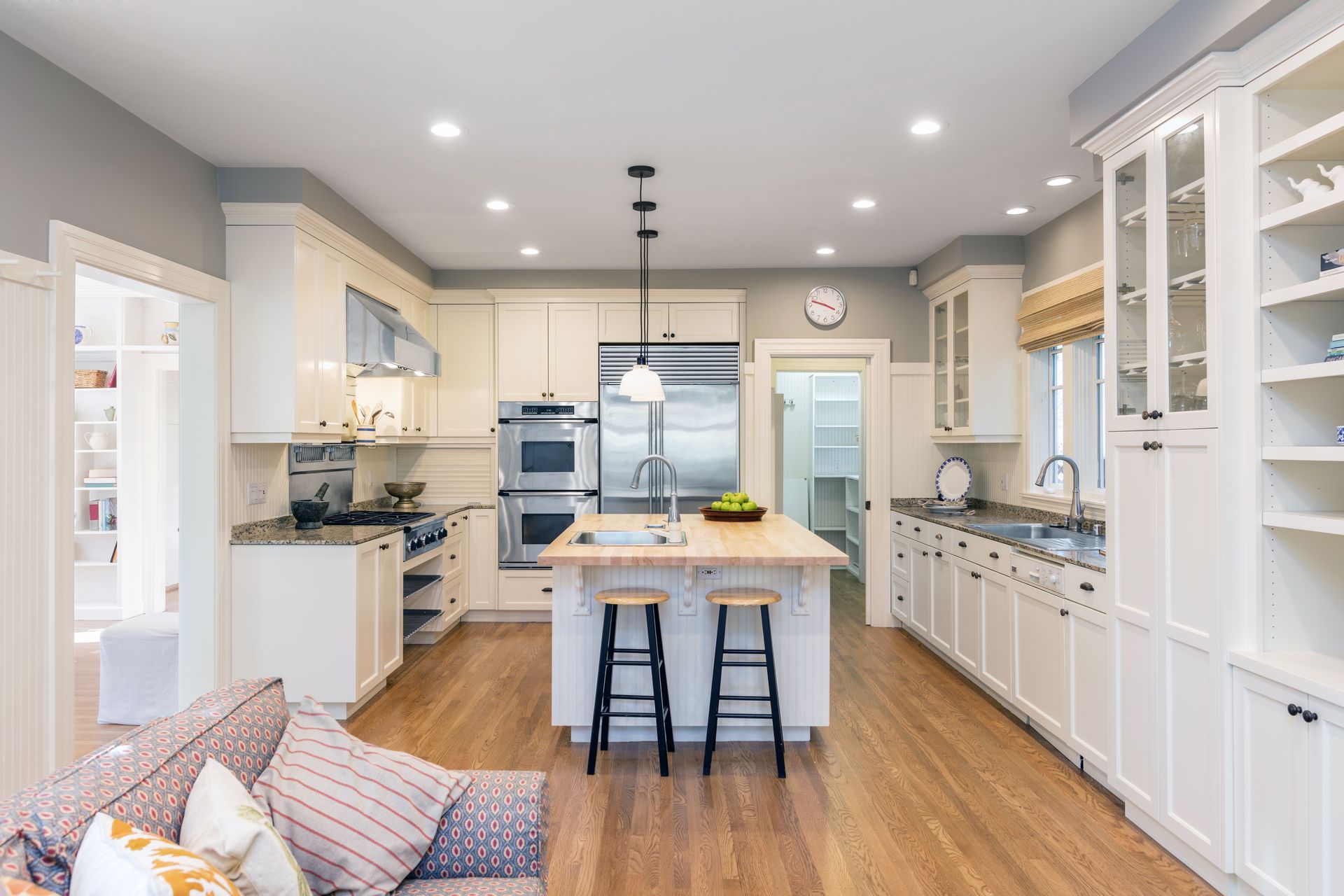
This oversight is especially useful when a project includes several rooms or combines multiple types of improvements. Kitchen renovations, bathroom updates, additions, and whole-home projects can involve different specialists, deliveries, and inspection requirements. Having one professional coordinating those elements can reduce confusion and help the project move forward with greater consistency.
According to Houzz, general contractors continue to be the most frequently hired professionals for renovation projects, with nearly 29% of homeowners choosing to work directly with them. This reflects the practical value of having a central professional involved when a renovation includes multiple tasks, decisions, and trades.
Planning the Project
Strong renovation results begin with thoughtful planning. Before work starts, homeowners need to understand the project’s scope, anticipated sequence, material needs, and potential challenges. A general contractor can help organize these considerations so the work begins with a clearer direction.
Planning also provides an opportunity to discuss priorities. Some homeowners may care most about improving functionality, while others may want to preserve architectural character or create more usable living space. Establishing those goals early helps shape decisions throughout the renovation.
Timing matters, too. Seasonal considerations can influence exterior work, deliveries, and scheduling. In areas where colder weather affects construction conditions, planning ahead can help homeowners determine which improvements are most appropriate for the current season and which may be better scheduled for later.
Managing the Trades
Most substantial renovations require more than one trade. Depending on the scope, a project may involve carpenters, electricians, plumbers, painters, flooring professionals, or other specialists. Each trade has its own responsibilities, but their work still needs to connect smoothly.
A general contractor provides a central point of coordination between these professionals. That role can help reduce scheduling conflicts and make it easier to identify when one phase needs to be completed before another can begin. Instead of leaving homeowners to coordinate every handoff, the project can follow an organized workflow.
Communication is another important part of trade management. When questions arise about measurements, materials, site conditions, or timing, clear communication can prevent misunderstandings from becoming larger delays. Consistent coordination helps everyone work toward the same finished result.
Controlling Project Costs
Renovation budgets can change when the scope changes, materials become unavailable, or unexpected conditions are uncovered. While no professional can eliminate every potential surprise, careful planning and oversight can help homeowners understand where their money is going.
A general contractor can help coordinate estimates, material requirements, labor, and changes as the project progresses. Clear communication about costs gives homeowners a better opportunity to make informed decisions when adjustments become necessary.
Budget management is also about balancing priorities. A renovation does not always require choosing the most expensive option for every component. Different materials and approaches can serve different purposes, and thoughtful coordination can help align selections with the intended use of the space.
Addressing Unexpected Conditions
Existing homes can reveal surprises once renovation work begins. Walls may contain older wiring, plumbing may not match current expectations, or previous modifications may affect the planned work. These conditions can require changes to the original approach.
A general contractor can help assess how an unexpected condition affects the project and coordinate the appropriate response. Instead of treating a surprise as an isolated issue, the professional can consider its relationship to the broader renovation schedule and scope.
This kind of oversight is particularly valuable during older-home renovations, where existing construction may differ from modern building practices. Addressing conditions carefully can help protect the quality of the finished project and reduce the risk of overlooking an issue that could affect later work.
Maintaining Construction Quality
Quality depends on more than attractive finishes. Proper preparation, accurate installation, appropriate materials, and attention to construction details all contribute to a durable result. Consistent oversight can help keep those standards in focus throughout the project.
A construction professional can monitor progress and coordinate work across different stages. This does not mean every task is performed by one person. Instead, it means the renovation has professional oversight that connects individual tasks to the larger project.
Homeowners also benefit from having someone who understands how different construction decisions can affect one another. A choice involving one room may influence plumbing, electrical work, ventilation, flooring, or structural requirements elsewhere. Coordinated oversight helps those relationships remain visible.
Navigating Project Requirements
Renovations may involve permits, inspections, local requirements, and construction standards, depending on the property and scope of work. Understanding which requirements apply is an important part of responsible project planning.
A general contractor can help coordinate the construction process around applicable requirements and inspection milestones. This can be particularly helpful for additions, structural changes, and other projects that involve more than cosmetic updates.
Following required procedures is not simply about paperwork. Proper approvals and inspections can help confirm that work is progressing according to applicable standards. They can also provide homeowners with greater confidence that important project requirements have been considered.
Improving Communication
Homeowners often have questions throughout a renovation. They may want to know when a particular phase will begin, whether a material is available, or how a change could affect the schedule. Having a consistent communication channel can make those questions easier to address.
A general contractor can serve as that central contact while coordinating information among homeowners, trades, suppliers, and other project participants. Clear communication helps keep expectations realistic and gives everyone an opportunity to address concerns before they become larger problems.
Good communication also supports a more positive renovation experience. Construction can temporarily disrupt daily routines, particularly when work affects kitchens, bathrooms, bedrooms, or major portions of a home. Knowing what to expect can make that disruption easier to manage.
Completing the Renovation
The final stages of a renovation require the same attention as the beginning. Remaining work must be coordinated, details need to be addressed, and the finished space should reflect the agreed-upon scope. A general contractor can help bring those final pieces together.
A well-managed completion process also allows homeowners to review the work and identify questions or items that need attention. Addressing those details before the project is considered complete helps create a more polished final result.
Ultimately, renovation success comes from combining a clear vision with organized execution. With the right professional overseeing scheduling, trades, communication, costs, requirements, and quality, homeowners can approach a renovation with greater clarity and confidence. Red Wolf Construction Inc can help homeowners move their renovation plans toward a carefully coordinated finished space, so contact the team to discuss your project and next steps.